8TH-GRADE SCIENCE
  • Home
    • Contact
    • Feedback
  • Course Information
    • Class Orientation
    • Class Overview
    • Class Policies
    • Goals & Outcomes
    • Grading
    • Textbook & Supplies
    • Student Tutorials
    • Parent Support
    • Assistive Technologies
    • ELL Support
    • Additional Information
    • State Standards
    • Teacher Resources >
      • Instructional Frameworks
  • Unit 1
    • Earth's Systems & Resources Overview
    • Module 1 >
      • Class Orientation
      • Class Policies
      • Google Classroom
      • "Netiquette"
      • Digital Portfolio
      • Lab Safety
      • Science Journal
    • Module 2 >
      • Physical Properties
      • Chemical Properties
      • Minerals
      • Ores
      • Fossil Fuels
      • Mineral Identification
      • [Module 2 - Assignments]
    • Module 3 >
      • Weathering
      • Erosion
      • Deposition
      • Landform Changes
      • [Module 3 - Assignments]
    • Module 4 >
      • Igneous Rocks
      • Metamorphic Rocks
      • Sedimentary Rocks
      • The Rock Cycle
      • [Module 4 - Assignments]
    • Module 5 >
      • Crust
      • Mantle
      • Core
      • Earth Layer Evidence
      • Seismic Wave Evidence
      • [Module 5 - Assignments]
    • Module 6 >
      • Divergent Plate Boundaries
      • Convergent Plate Boundaries
      • Transform Plate Boundaries
      • Theory of Plate Tectonics
      • [Module 6 - Assignments]
    • Module 7 >
      • Continental Drift
      • Convection Currents
      • Evidence for Plate Tectonics
      • Significance of Plate Tectonics
      • [Module 7 - Assignments]
    • Module 8 >
      • Patterns of Earthquakes
      • Patterns of Volcanoes
      • Hot Spots
      • [Module 8 - Assignments]
    • Module 9 >
      • Minimizing Earthquake Impacts
      • Minimizing Volcanic Impacts
      • Engineering Design Process
      • [Module 9 - Assignments]
  • Unit 2
    • Earth's History and Diversity of Life Overview
    • Module 10 >
      • What is a fossil?
      • Fossil Types
      • Fossilization is Rare
      • [Module 10 - Assignments]
    • Module 11 >
      • Absolute Age
      • Relative Age
      • Law of Superposition
      • Index Fossils
      • [Module 11 - Assignments]
    • Module 12 >
      • Mass Extinction
      • Impact Events
      • Volcanic Activity
      • Climate Changes
      • [Module 12 - Assignments]
    • Module 13 >
      • Units of Geologic Time
      • Geologic Time Scale
      • Precambrian
      • Paleozoic Era
      • Mesozoic Era
      • Dinosaurs!
      • Cenozoic Era
      • [Module 13 - Assignments]
    • Module 14 >
      • Natural Extinction Factors
      • Human-Made Extinction Factors
      • Endangered Species
      • 6th Mass Extinction?
      • [Module 14 - Assignments]
    • Module 15 >
      • Adaptations
      • Physical Traits
      • Behavioral Traits
      • [Module 15 - Assignments]
    • Module 16 >
      • Fossil Evidence
      • Natural Selection
      • Examples of Natural Selection
      • Common Misconceptions
      • [Module 16 - Assignments]
  • Unit 3
    • Forces and Motion Overview
    • Module 17 >
      • What is a Force?
      • Net Force
      • Balanced Forces
      • Unbalanced Forces
      • [Module 17 - Assignments]
    • Module 18 >
      • Force of Gravity
      • Force of Friction
      • Air Resistance
      • [Module 18 - Assignments]
    • Module 19 >
      • 1st Law of Motion
      • 2nd Law of Motion
      • 3rd Law of Motion
      • [Module 19 - Assignments]
    • Module 20 >
      • Speed
      • Velocity
      • Acceleration
      • Graphing Motion
      • [Module 20 - Assignments]
  • Unit 4
    • Waves Overview
    • Module 21 >
      • What is a wave?
      • Transverse Waves
      • Compressional & Longitudinal Waves
      • Mechanical Waves
      • Electromagnetic Waves
      • Wavelength
      • Frequency
      • Amplitude
      • [Module 21 - Assignments]
    • Module 22 >
      • Reflection
      • Absorption
      • Transmission
      • Refraction
      • Color Perception
      • Human Eye
      • [Module 22 - Assignments]
    • Module 23 >
      • Constructive Interference
      • Destructive Interference
      • Standing Waves
      • [Module 23 - Assignments]
    • Module 24 >
      • The Electromagnetic Spectrum
      • Electromagnetic Technologies
      • Radio
      • Cell Phones
      • WIFI & Bluetooth
      • Television & Remotes
      • [Module 24 - Assignments]
  • Unit 5
    • Earth's Place in the Universe Overview
    • Module 25 >
      • Rotation vs. Revolution
      • Our Solar System
      • Mercury
      • Venus
      • Earth
      • Mars
      • Jupiter
      • Saturn
      • Uranus
      • Neptune
      • Dwarf Planet Pluto?
      • [Module 25 - Assignments]
      • Solar System Exploration
    • Module 26 >
      • Dwarf Planets
      • Moons
      • Asteroids
      • Comets
      • Meteoroids
      • Meteors
      • Meteorites
      • [Module 26 - Assignments]
    • Module 27 >
      • Stars
      • Photosphere
      • Corona
      • Sunspots
      • Prominences
      • Solar Flares
      • Space Weather
      • [Module 27 - Assignments]
    • Module 28 >
      • Earth's Moon
      • Phases of the Moon
      • Eclipses
      • Solar Eclipse
      • Lunar Eclipse
      • [Module 28 - Assignments]
    • Module 29 >
      • Gravity
      • Planetary Orbits
      • Mass vs. Weight
      • Tides
      • Spring Tides
      • Neap Tides
      • [Module 29 - Assignments]
    • Module 30 >
      • Reasons for the Seasons
      • Daylight Hours
      • Direct vs. Indirect Rays
      • Solstice
      • Equinox
      • [Module 30 - Assignments]
    • Module 31 >
      • Milky Way Galaxy
      • Galaxy Types
      • Light Years
      • The Universe
      • [Module 31 - Assignments]
    • Module 32 >
      • Life Cycle Of Stars
      • Redshift
      • Cosmic Background Radiation
      • Big Bang Theory
      • [Module32 - Assignments]
    • Module 33 >
      • Telescopes
      • Spectroscopes
      • Space Probes
      • Satellites
      • Space Observatories
      • [Module33 - Assignments]
  • Technical Support
  • Home
    • Contact
    • Feedback
  • Course Information
    • Class Orientation
    • Class Overview
    • Class Policies
    • Goals & Outcomes
    • Grading
    • Textbook & Supplies
    • Student Tutorials
    • Parent Support
    • Assistive Technologies
    • ELL Support
    • Additional Information
    • State Standards
    • Teacher Resources >
      • Instructional Frameworks
  • Unit 1
    • Earth's Systems & Resources Overview
    • Module 1 >
      • Class Orientation
      • Class Policies
      • Google Classroom
      • "Netiquette"
      • Digital Portfolio
      • Lab Safety
      • Science Journal
    • Module 2 >
      • Physical Properties
      • Chemical Properties
      • Minerals
      • Ores
      • Fossil Fuels
      • Mineral Identification
      • [Module 2 - Assignments]
    • Module 3 >
      • Weathering
      • Erosion
      • Deposition
      • Landform Changes
      • [Module 3 - Assignments]
    • Module 4 >
      • Igneous Rocks
      • Metamorphic Rocks
      • Sedimentary Rocks
      • The Rock Cycle
      • [Module 4 - Assignments]
    • Module 5 >
      • Crust
      • Mantle
      • Core
      • Earth Layer Evidence
      • Seismic Wave Evidence
      • [Module 5 - Assignments]
    • Module 6 >
      • Divergent Plate Boundaries
      • Convergent Plate Boundaries
      • Transform Plate Boundaries
      • Theory of Plate Tectonics
      • [Module 6 - Assignments]
    • Module 7 >
      • Continental Drift
      • Convection Currents
      • Evidence for Plate Tectonics
      • Significance of Plate Tectonics
      • [Module 7 - Assignments]
    • Module 8 >
      • Patterns of Earthquakes
      • Patterns of Volcanoes
      • Hot Spots
      • [Module 8 - Assignments]
    • Module 9 >
      • Minimizing Earthquake Impacts
      • Minimizing Volcanic Impacts
      • Engineering Design Process
      • [Module 9 - Assignments]
  • Unit 2
    • Earth's History and Diversity of Life Overview
    • Module 10 >
      • What is a fossil?
      • Fossil Types
      • Fossilization is Rare
      • [Module 10 - Assignments]
    • Module 11 >
      • Absolute Age
      • Relative Age
      • Law of Superposition
      • Index Fossils
      • [Module 11 - Assignments]
    • Module 12 >
      • Mass Extinction
      • Impact Events
      • Volcanic Activity
      • Climate Changes
      • [Module 12 - Assignments]
    • Module 13 >
      • Units of Geologic Time
      • Geologic Time Scale
      • Precambrian
      • Paleozoic Era
      • Mesozoic Era
      • Dinosaurs!
      • Cenozoic Era
      • [Module 13 - Assignments]
    • Module 14 >
      • Natural Extinction Factors
      • Human-Made Extinction Factors
      • Endangered Species
      • 6th Mass Extinction?
      • [Module 14 - Assignments]
    • Module 15 >
      • Adaptations
      • Physical Traits
      • Behavioral Traits
      • [Module 15 - Assignments]
    • Module 16 >
      • Fossil Evidence
      • Natural Selection
      • Examples of Natural Selection
      • Common Misconceptions
      • [Module 16 - Assignments]
  • Unit 3
    • Forces and Motion Overview
    • Module 17 >
      • What is a Force?
      • Net Force
      • Balanced Forces
      • Unbalanced Forces
      • [Module 17 - Assignments]
    • Module 18 >
      • Force of Gravity
      • Force of Friction
      • Air Resistance
      • [Module 18 - Assignments]
    • Module 19 >
      • 1st Law of Motion
      • 2nd Law of Motion
      • 3rd Law of Motion
      • [Module 19 - Assignments]
    • Module 20 >
      • Speed
      • Velocity
      • Acceleration
      • Graphing Motion
      • [Module 20 - Assignments]
  • Unit 4
    • Waves Overview
    • Module 21 >
      • What is a wave?
      • Transverse Waves
      • Compressional & Longitudinal Waves
      • Mechanical Waves
      • Electromagnetic Waves
      • Wavelength
      • Frequency
      • Amplitude
      • [Module 21 - Assignments]
    • Module 22 >
      • Reflection
      • Absorption
      • Transmission
      • Refraction
      • Color Perception
      • Human Eye
      • [Module 22 - Assignments]
    • Module 23 >
      • Constructive Interference
      • Destructive Interference
      • Standing Waves
      • [Module 23 - Assignments]
    • Module 24 >
      • The Electromagnetic Spectrum
      • Electromagnetic Technologies
      • Radio
      • Cell Phones
      • WIFI & Bluetooth
      • Television & Remotes
      • [Module 24 - Assignments]
  • Unit 5
    • Earth's Place in the Universe Overview
    • Module 25 >
      • Rotation vs. Revolution
      • Our Solar System
      • Mercury
      • Venus
      • Earth
      • Mars
      • Jupiter
      • Saturn
      • Uranus
      • Neptune
      • Dwarf Planet Pluto?
      • [Module 25 - Assignments]
      • Solar System Exploration
    • Module 26 >
      • Dwarf Planets
      • Moons
      • Asteroids
      • Comets
      • Meteoroids
      • Meteors
      • Meteorites
      • [Module 26 - Assignments]
    • Module 27 >
      • Stars
      • Photosphere
      • Corona
      • Sunspots
      • Prominences
      • Solar Flares
      • Space Weather
      • [Module 27 - Assignments]
    • Module 28 >
      • Earth's Moon
      • Phases of the Moon
      • Eclipses
      • Solar Eclipse
      • Lunar Eclipse
      • [Module 28 - Assignments]
    • Module 29 >
      • Gravity
      • Planetary Orbits
      • Mass vs. Weight
      • Tides
      • Spring Tides
      • Neap Tides
      • [Module 29 - Assignments]
    • Module 30 >
      • Reasons for the Seasons
      • Daylight Hours
      • Direct vs. Indirect Rays
      • Solstice
      • Equinox
      • [Module 30 - Assignments]
    • Module 31 >
      • Milky Way Galaxy
      • Galaxy Types
      • Light Years
      • The Universe
      • [Module 31 - Assignments]
    • Module 32 >
      • Life Cycle Of Stars
      • Redshift
      • Cosmic Background Radiation
      • Big Bang Theory
      • [Module32 - Assignments]
    • Module 33 >
      • Telescopes
      • Spectroscopes
      • Space Probes
      • Satellites
      • Space Observatories
      • [Module33 - Assignments]
  • Technical Support
Search by typing & pressing enter

YOUR CART

​Catastrophic Solutions

* NEW NGSS website is now available @ http://nextlevelsci.weebly.com *
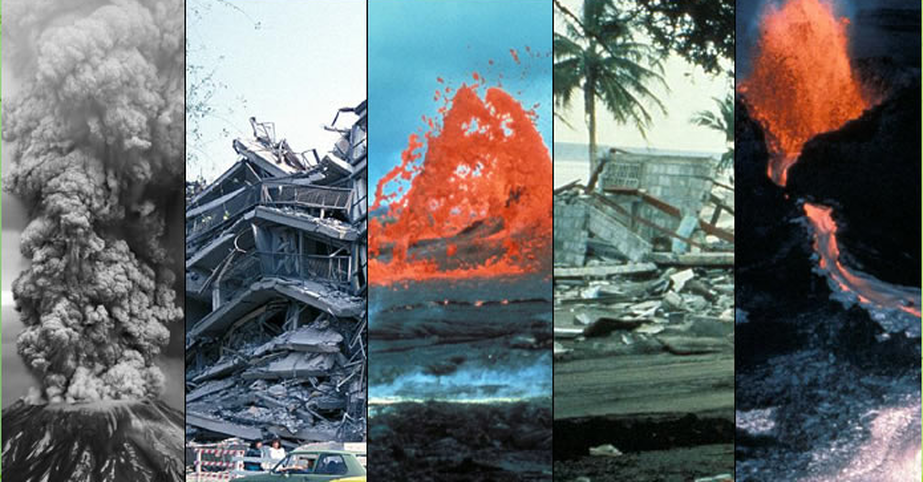
How can we define problems that may be caused by a catastrophic event resulting from plate movements and design possible devices or solutions to minimize the effects of that event on Earth’s surface and/or human structures?

​Background Information

During this unit you may remember that catastrophic events such as earthquakes and volcanoes occur along plate boundaries.  Unfortunately, many population centers also exist along plate boundaries where these geologic activities are likely to occur.  In grades 3 -7 you may remember developing and using models to describe the characteristics of Earth's continental landforms and classify landforms as volcanoes, mountains, valleys, canyons, plains, and islands.  You may also remember obtaining and communicating information to explain how natural events such as fires, landslides, earthquakes, volcanic eruptions, or floods and human activities such as farming, mining, or building impact the environment. 
Picture

Introduction

Between 1994 and 2013, over 6,873 natural disasters worldwide claimed 1.35 million lives or almost 68,000 lives on average each year, and directly affected more than 218 million people each year.  Today, not only are more people in harm’s way than there were 50 years ago, but building in earthquakes zones and other high-risk areas has increased the likelihood that a routine natural hazard will become a major catastrophe.  Earthquakes  and tsunamis have sadly killed more people than all other types of disaster put together, claiming nearly 750,000 lives between 1994 and 2013.  More interestingly, higher-income countries experienced 56% of disasters but lost only 32% of lives, compared to lower-income countries which experienced 44% of disasters but suffered 68% of deaths. This means that higher levels of economic development, rather than exposure to natural catastrophes are a major factor in death rates.  Therefore, science and engineering can do a lot to help prevent the negative impacts of these catastrophes!
Picture
Click here to see more natural disaster data
Click Here to view the most recent EARTHQUAKES in South Carolina

Key Question

How do volcanoes and earthquakes directly impact people and what can engineers do to help prevent those impacts?

Key Terms

  1. Seismic waves
  2. Engineering Design Process

Set Goals

Picture

​Take a moment to think about something you would really like to learn this week about how earthquakes and volcanoes directly impact people and what scientists and engineers can do to help prevent these impacts and 
add your question(s) to your science journal.

Next
Powered by Create your own unique website with customizable templates.